“What I don’t like is that Sen. Feinstein had this letter for a period of, like, three months. Maybe even before that. But from July. Why didn’t Sen. Feinstein bring this up at her meeting with Judge Kavanaugh?” Trump asked during a press pool Tuesday. “Why didn’t the Democrats — they knew about the letter. She was showing it to Democrats. Why did they wait until everything was finished and then bring it up? That doesn’t look good.”
Wednesday, September 19, 2018
Tuesday, September 18, 2018
Anger...
The internet isn’t just making us dumb, it’s making us angry. And it is women who are among the fastest adopters for venting their rage online.
There’s plenty of fodder to fuel righteous female fury. There’s the social and political structures that contribute to violence against women, the gender pay gap, and a lack of autonomy over reproductive choices for a kick-off.
Then there are the domestic battles over who does the majority of the housework, who shoulders the most responsibility for parenting, financial pressure and unfulfilled relationships.
There is also the more personal anger by women who feel they do not fit into our narrow definition of beauty, or who feel they have become invisible as they age.
Embracing the full spectrum of feelings is healthy, and there’s certainly nothing wrong with anger per se.
Yet is choosing to express this care only through rage good for women long-term plan or bring about the changes desired?
Gag Clauses...

President Donald Trump supports Congress enacting legislation that would prohibit "gag clauses," which prevent pharmacists from telling patients that paying with cash may be less expensive than using their insurance benefits.
Pharmacy benefit managers may write these orders into their contracts with pharmacies. Some states have already enacted their own legislation prohibiting the practice, though a federal ban is not currently in place.
Senator Susan Collins, a Republican representing Maine, introduced the bill in March. Pharmaceutical Care Management Association, the industry's lobbying group, supports the legislation.
The Trump administration has vowed to make prescription drugs more affordable. It unveiled a policy blueprint earlier this year aimed at tackling the issue. [Angelica Lavito CNBC]
Monday, September 17, 2018
I did...

The Trump presidency will be known as the economic booms of this country. People will ask the next president of what would you do for The People of USA economically, "Its the economy stupid"
The past administrations started wars in the Middle East, Iraq, Syria, Libya which caused millions of refugees, hundred of thousands dead and injured.
Sunday, September 16, 2018
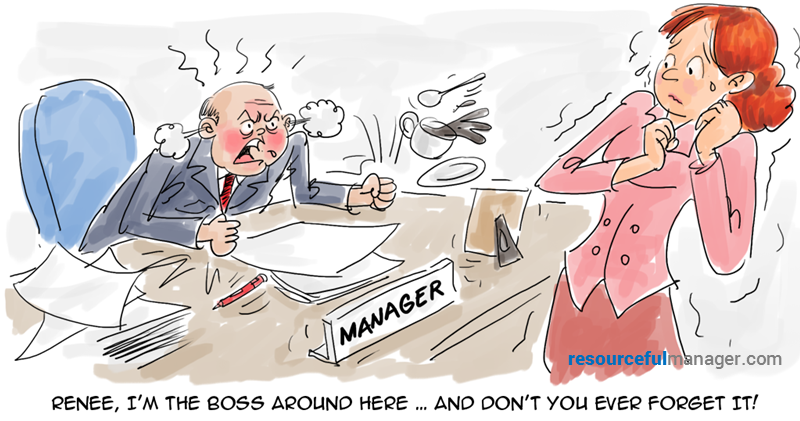
Renee...

Every year, Gallup releases the State of the American Manager, its analysis of the current condition of managerial expertise. The latest results, released December 2017, contained several new conclusions, but the grim fact remains:
Little has changed with the state of management in the United States. The sobering news:
- One-third (35 percent) of managers are engaged in their work.
- One in five managers (18 percent) has the “high talent” needed to succeed in their roles.
- Bad management costs the U.S. economy anywhere from $319 billion to $398 billion in lost productivity annually.
- We all know that bad managers wreak havoc on employee performance either by not developing their teams and enabling accountability for results, or by simply creating an environment where employees don’t want to come to work.
Reasonless...
- Love brownnosers, tattletales, and relatives who report to them. They choose favorite employees and cover up and make excuses for the poor work of their incompetent favorites.
- They ignore selected people and discriminate against many employees. They tend to give their favorites better schedules and assignments, more attention, and pal around with them outside of work.
- Bad bosses change their minds frequently leaving employees off-balance, change expectations and deadlines frequently. Employees have trouble knowing where they stand and whether they're meeting expectations. Employees fail to feel a sense of accomplishment when expectations don't exist.
- Fail to communicate, and may not even have clear expectations, timelines or goals.
- Use disciplinary measures inappropriately when simple, positive communication would correct the problem. Bad bosses ignore employees until there is a problem, then pounce.
- They seek out the guilty when they want to correct a problem.
- Speak loudly, rudely, one-sidedly to staff. Bad bosses don't provide the air time for staff to respond to accusations and comments. They intimidate people and bully staff. They allow other employees to bully employees.
- Take credit for the successes and positive accomplishments of employees. They are equally as quick to blame employees when something goes wrong. They throw employees under the bus loudly and in public.
- Fail to provide rewards or recognition for positive employee performance.
These six were the top bad boss characteristics cited by readers.
- *Is not qualified for the boss job by either skills or experience. The bad boss doesn't know how to lead and interact effectively with people.
- *Will not let go of problems or mistakes. The bad boss returns to discuss negative events continually and searches for faults in employees.
- *Will not accept constructive feedback and suggestions for improvement. The bad boss can't deal with disagreement from employees who have their own opinions about work-related issues.
- *Lacks integrity, breaks promises, and is dishonest. Bad bosses make up stories when they don't know the answer to an employee's question and they are too lazy to find out.
- *Does not have the courage to deal with a difficult situation despite knowing that it is the right thing to do.
- *Causes dissension among staff members by his or her actions and comments.
- [Susan M. Heathfield-Updated April 25, 2017]
Saturday, September 15, 2018
Perfect...
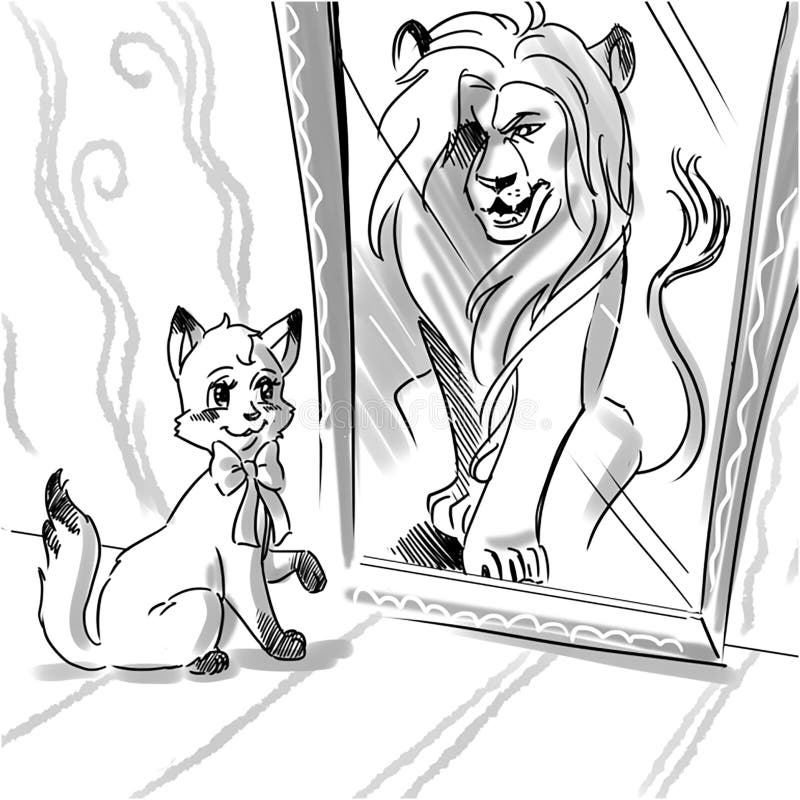
Since reality doesn’t support their grandiose view of themselves, narcissists live in a fantasy world propped up by distortion, self-deception, and magical thinking. They spin self-glorifying fantasies of unlimited success, power, brilliance, attractiveness, and ideal love that make them feel special and in control.
A narcissist’s sense of superiority is like a balloon that gradually loses air without a steady stream of applause and recognition to keep it inflated. The occasional compliment is not enough. Narcissists need constant food for their ego, so they surround themselves with people who are willing to cater to their obsessive craving for affirmation.
Narcissists expect favorable treatment as their due. They truly believe that whatever they want, they should get. They also expect the people around them to automatically comply with their every wish and whim.
Narcissists never develop the ability to identify with the feelings of others—to put themselves in other people’s shoes. In other words, they lack empathy.
Narcissists feel threatened whenever they encounter someone who appears to have something they lack—especially those who are confident and popular. They’re also threatened by people who don’t kowtow to them or who challenge them in any way. Their defense mechanism is contempt. The only way to neutralize the threat and prop up their own sagging ego is to put those people down.
Lucky...
Narcissistic personality disorder (NPD) involves a pattern of self-centered, arrogant thinking and behavior, a lack of empathy and consideration for other people, and an excessive need for admiration. Others often describe people with NPD as cocky, manipulative, selfish, patronizing, and demanding.
Grandiosity is the defining characteristic of narcissism. More than just arrogance or vanity, grandiosity is an unrealistic sense of superiority. Narcissists believe they are unique or “special” and can only be understood by other special people. What’s more, they are too good for anything average or ordinary. They only want to associate and be associated with other high-status people, places, and things.
Narcissists also believe that they’re better than everyone else and expect to be recognized as such—even when they’ve done nothing to earn that recognition. They will often exaggerate or outright lie about their achievements and talents. And when they talk about work or relationships, all you’ll hear is how much they do, how great they are, and how lucky the people in their lives are to have them. They are the undisputed star and everyone else is at best a bit player.
Subscribe to:
Comments (Atom)